Customer Journey Mapping: Enhancing User Experience and Engagement
Tuesday, February 3rd, 2026
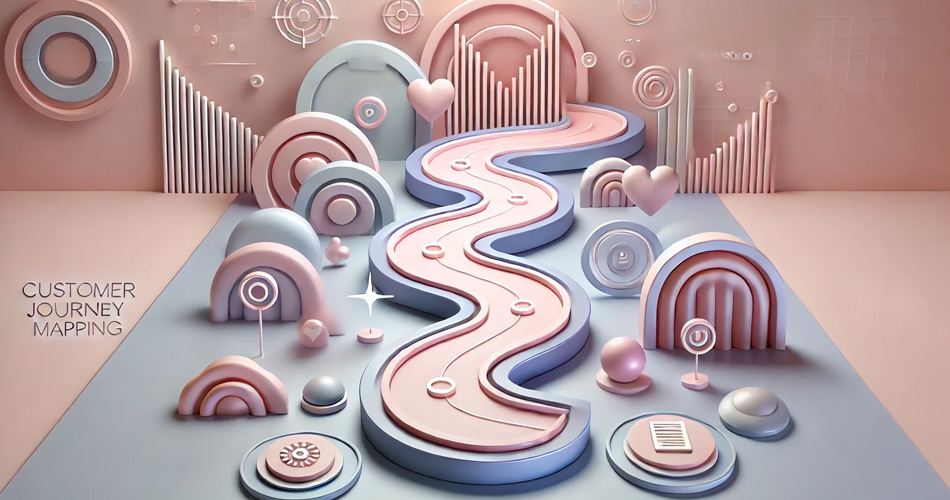
Understanding how your customers interact with your brand is the secret ingredient to delivering a seamless experience. When you can see the journey through their eyes, it becomes easier to craft meaningful interactions that not only capture attention but also build trust. Customer journey mapping is the ultimate tool to make this happen. Here, we’ll dive into how journey mapping works and how it can elevate user experiences while boosting engagement. Let’s explore!
What Is Customer Journey Mapping?
Customer journey mapping is a visual representation of the steps a user takes when interacting with your brand. This includes everything from discovering your brand, engaging with your content, purchasing, and beyond. It’s a way to understand their emotions, motivations, and potential pain points at each stage.
By using this map, businesses can create better marketing strategies that resonate more deeply with their audience. Think of it as designing a personalized roadmap that anticipates and fulfills your customer’s needs.
Why Customer Journey Mapping Matters
Building connections with your audience is more than just offering great products. People want brands that truly understand them, and that’s where customer journey mapping shines. When done right, it helps identify gaps, ensures consistency, and creates touchpoints that feel natural.
For instance, have you ever visited a website that didn’t align with the promise of an ad? That disconnect is a missed opportunity. Journey mapping ensures every interaction feels cohesive and supports your marketing goals.
Key Components of a Customer Journey Map
Creating a customer journey map requires breaking things down into manageable sections. Here are the essential components to include:
- Customer Personas: These are fictional representations of your ideal customers. Include details like preferences, behaviors, and challenges.
- Touchpoints: Identify every place where customers interact with your brand, such as social media, emails, and website visits.
- Actions: Outline what the customer does at each touchpoint.
- Emotions: Recognize how your audience feels during every step of their journey.
- Pain Points: Note any obstacles they might face.
- Solutions: Define ways to address those pain points and make the journey smoother.
Steps to Create a Customer Journey Map
Define Your Goals
Start by asking, “What do we want to achieve with this map?” Whether it’s boosting engagement, increasing sales, or improving retention, having clear objectives will guide your process.
Know Your Audience
Use surveys, interviews, or analytics to gather insights about your audience. The more specific you are, the better your map will reflect their experience.
List Touchpoints
Think about every interaction—from scrolling on Instagram to clicking on a marketing email. Include them all to get a full picture.
Outline the Journey Stages
Most journeys follow these basic stages: awareness, consideration, purchase, retention, and advocacy. Customize these based on your business.
Pinpoint Challenges
What might make a customer drop off at any given stage? Identifying these challenges helps you create a smoother experience.
Refine and Update
Your customer journey map isn’t a one-and-done project. Keep revisiting it as your audience and market evolve.
How Journey Mapping Enhances User Experience
One of the biggest benefits of journey mapping is improved user experience. When you’re able to see things from your customer’s perspective, you can:
- Create intuitive navigation on websites.
- Personalize emails and offers based on behaviors.
- Streamline checkout processes to reduce frustration.
Each of these tweaks helps create a journey that feels enjoyable and effortless.
Boosting Engagement Through Journey Mapping
Marketing thrives on engagement, and journey mapping plays a big role in making that happen. By identifying what content resonates most at each stage, you can:
- Develop social media posts that inspire action.
- Craft blog articles or resources that answer key questions.
- Encourage reviews or shares by understanding what motivates your audience.
This approach ensures your marketing efforts feel less like ads and more like genuine connections.
Common Mistakes to Avoid
Journey mapping can seem straightforward, but there are pitfalls to watch out for:

- Assuming You Know Your Audience: Regularly update your personas and data.
- Overcomplicating the Map: Keep it clear and actionable.
- Ignoring Mobile Experiences: With so many people browsing on their phones, this can’t be overlooked.
- Not Acting on Insights: A map is only helpful if you use it to make meaningful changes.
The Role of Empathy in Journey Mapping
Understanding your customer’s emotions is essential. Empathy allows you to anticipate needs and deliver solutions before they’re even requested. Simple changes like offering proactive customer service or simplifying product descriptions can make a world of difference.
When customers feel seen and understood, their loyalty grows naturally.
How Technology Supports Journey Mapping
Tools like CRM software, heatmaps, and analytics platforms make it easier to visualize and optimize customer journeys. Marketing automation platforms can even help you tailor touchpoints in real-time based on user behavior. This ensures your efforts remain effective without overwhelming your team.
Success Stories: Real-World Applications
Brands across industries have reaped the benefits of journey mapping. For example:
- Retail: A clothing brand revamped their online store navigation, leading to a 20% increase in sales.
- Health & Wellness: A fitness app optimized their onboarding flow, doubling user retention.
- E-commerce: By personalizing email sequences, a beauty retailer saw a significant spike in repeat purchases.
These wins show the power of using journey mapping to inform your marketing strategies.
Discover how small businesses thrive by implementing a modern free traffic exchange solution consistently.
Tips for Staying Consistent Across Platforms
Consistency is key to a seamless customer journey. To maintain it:
- Use the same tone of voice and visuals across all marketing channels.
- Ensure your branding—from logos to color schemes—is recognizable.
- Regularly test the user experience on your website and apps.
When every touchpoint aligns, it strengthens trust and reduces friction.
Future Trends in Customer Journey Mapping
As technology advances, journey mapping is evolving. Key trends include:
- AI-Powered Personalization: AI tools predict customer needs, tailoring experiences in real-time.
- Voice Search Optimization: Ensuring voice-enabled devices fit seamlessly into the journey.
- Sustainability Focus: Highlighting eco-friendly options as a priority for increasingly conscious consumers.
Staying ahead of these trends can help your brand remain relevant and engaging.
Customer journey mapping isn’t just about improving touchpoints—it’s about creating relationships that last. With the right strategies, tools, and a commitment to empathy, you can deliver experiences that leave your audience excited to come back for more.
Filed under: Tips & Tricks
Tags: marketing
Exclusive Offer!
1,500,000 Points for $110 $68. If you're running low on points — don't miss out
limited time